
Monthly Archives: October 2025

Monthly Archives: October 2025

Jobs Beneath the Surface: The Rise of Skilled Careers in Sewer Rehabilitation

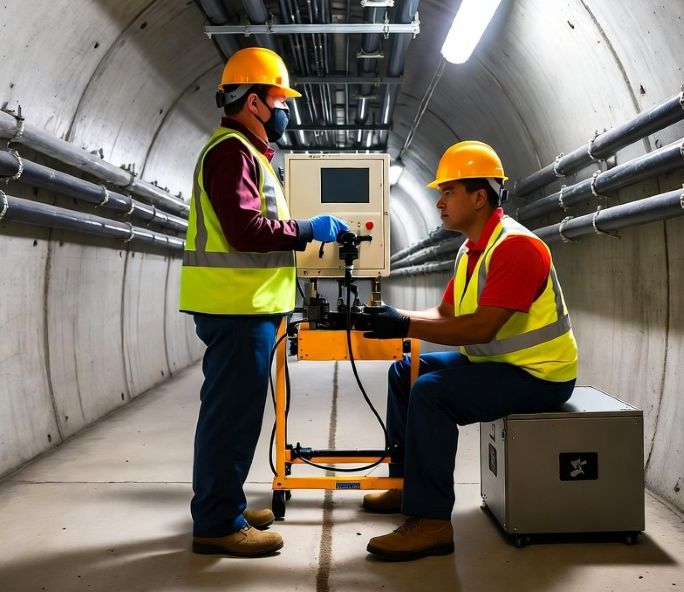
Technicians inspecting underground pipes using robotic cameras

Europe’s cities rely on vast underground systems that few people ever see. Beneath the streets, a network of pipes and drains keeps homes, businesses, and industries running smoothly. As urban infrastructure ages, the demand for maintenance and innovation has led to the rise of a new kind of workforce. Skilled professionals in sewer rehabilitation are becoming essential players in protecting public health and the environment.

With modern methods such as pipe relining, companies are using advanced techniques to restore old pipelines without the need for digging. This shift has not only improved efficiency but also created new job opportunities for technicians, engineers, and specialists. The field of Sewer Renovation or rioolrenovatie in Dutch represents a growing area where technology and craftsmanship meet, offering stable, future-focused careers for skilled workers across Europe.

The Demand for Skilled Labor Beneath the Streets

Urban growth and aging infrastructure are driving the need for skilled hands and technical minds. Many European cities are facing decades-old sewage systems that require repair and modernization. Traditional excavation methods are expensive and disruptive, but newer approaches like trenchless rehabilitation make it possible to repair pipelines efficiently and safely. These innovations demand a range of expertise, from operating high-tech cameras to managing resin-based relining materials.

Vocational training institutions are responding to this demand. Programs now focus on developing specialized skills for infrastructure maintenance, plumbing technology, and environmental engineering. Trainees learn not just how to fix a pipe but how to interpret data from sensors, inspect with robotic tools, and implement eco-friendly repair methods. The growing technical aspect of sewer rehabilitation transforms what was once seen as manual labor into a respected and rewarding profession.

Technology Meets Tradition

The modern sewer technician works with precision tools and smart diagnostics. Using camera systems, sensors, and AI-based analysis, technicians can pinpoint blockages, cracks, and leaks without breaking ground. The process of pipe relining, where a flexible liner is inserted and hardened inside an old pipe, has become a benchmark of innovation. It extends the lifespan of sewer systems while reducing costs, waste, and environmental impact.

These methods are changing the image of the industry. What was once a physically demanding and overlooked job is now a field of innovation and technical mastery.

“We’re no longer just fixing pipes, we’re maintaining lifelines,” says a sewer engineer from Rotterdam.

This evolution creates space for diverse talents, men and women trained in mechanics, chemistry, and environmental sciences, who contribute to cleaner cities and safer communities.

Creating Jobs for the Future

Every innovation in infrastructure brings new career opportunities. The need for skilled professionals goes beyond repair work. There are roles in project management, research, materials testing, and digital mapping. As European governments emphasize sustainability, more funds are being directed toward upgrading utilities and reducing pollution. This investment trickles down into employment, creating thousands of stable jobs across construction, environmental consulting, and water management.

Companies specializing in sewer rehabilitation are expanding rapidly. Many are partnering with local municipalities and training centers to ensure a steady pipeline of talent. Similar trends are seen in Belgium’s HVAC sector, where sustainable building systems and sanitation careers are also on the rise, as discussed in this overview of Belgium’s growing HVAC job market. By promoting apprenticeships and technical education, these partnerships ensure that young workers have access to hands-on learning and long-term careers. The emphasis on continuous training also allows experienced professionals to adapt to new technologies as they emerge.

Why Vocational Training Matters

Vocational education remains the backbone of this sector’s growth. Unlike traditional academic programs, vocational courses focus on practical applications and real-world challenges. Students gain firsthand experience in diagnosing pipe conditions, handling equipment, and understanding environmental regulations. This makes them job-ready faster and more adaptable to on-site demands.

Employers value workers who can combine practical knowledge with digital skills. From reading blueprints to operating robotic inspection systems, the modern technician needs both field experience and technological awareness. This mix of skills ensures that Europe’s urban infrastructure remains reliable, efficient, and sustainable for generations to come.

Conclusion: A Future Built on Skill and Purpose

The rise of sewer rehabilitation is reshaping how we view skilled labor and urban maintenance. With the increasing use of advanced techniques like Sewer Renovation, the sector is opening doors to careers that are both meaningful and future-proof. These workers safeguard communities by maintaining vital infrastructure that supports clean water and sanitation, an essential service often taken for granted.

Beneath the surface, there’s a workforce building Europe’s sustainable future. Through technical innovation, vocational training, and a renewed respect for skilled trades, sewer rehabilitation proves that some of the most important jobs happen where few people ever look.


Read More

Polished Careers: How Tile Cleaning Services Create Stable Local Jobs

workers receiving training in a workshop setting

Across Australia, thousands of workers build their careers from the ground up, literally, by keeping homes and businesses spotless. The tile cleaning industry, often overlooked, has quietly become a source of reliable employment and skill development. What was once seen as simple manual labor has evolved into a professional trade that supports families and strengthens communities.

Companies like Tile and Grout Cleaning Sunshine Coast are excellent examples of how service businesses can transform local economies. These cleaning experts hire, train, and develop workers who become skilled technicians capable of handling specialized equipment and advanced cleaning solutions. Their growth represents how practical trades can offer long-term job security while meeting the rising demand for clean, healthy living spaces.

From Entry-Level Work to Skilled Trades

Tile cleaning is no longer just about mops and buckets. Workers entering the industry often start with little experience but receive hands-on training that turns them into professionals. Many companies provide structured programs that teach employees how to use specialized machinery, understand tile materials, and handle eco-friendly cleaning products safely. This learning process creates a clear career path for workers who might not have traditional academic backgrounds.

“We give people a chance to build something solid,” says a training manager from a Sunshine Coast cleaning firm. “Our employees learn new skills every day, and many move up to supervisory or business ownership roles.”

That sense of upward mobility is what makes this trade especially meaningful in regional areas where job options can be limited.

Training That Builds Confidence and Community

Professional cleaning companies do more than teach technical skills. They emphasize reliability, teamwork, and customer service. These soft skills are just as important as the ability to polish a tile floor perfectly. Workers gain confidence as they interact with clients, manage schedules, and take pride in visible results. This professional growth often leads to better mental well-being and personal stability.

Tile and grout cleaning may sound routine, but it plays a vital role in maintaining healthy indoor environments. By reducing mold, dirt, and bacteria, technicians contribute to public health, especially in shared spaces like schools, hospitals, and offices. That gives their work a sense of purpose that goes beyond the paycheck.

Creating Jobs That Stay Local

Service industries like tile cleaning have a powerful local impact. Unlike remote or outsourced work, these jobs cannot be shipped overseas. Unlike remote or outsourced work, these jobs cannot be shipped overseas. Related industries, such as the untapped workforce in lounge cleaning, show a similar pattern of steady job creation and community-based employment across the Sunshine Coast. They exist within the communities they serve. That means local people are hired, local money stays in circulation, and local businesses thrive together. When companies expand or take on larger contracts, they bring in more workers from the same neighborhoods.

Tile cleaning firms also collaborate with real estate agents, renovation specialists, and property managers. This creates a network of small businesses supporting each other. As more homeowners and commercial clients seek reliable services, demand continues to rise. That ongoing need ensures steady employment, even when other industries face downturns.

Technology Adds New Opportunities

Modern tile cleaning services are blending craftsmanship with technology. Workers now use specialized steam cleaners, digital moisture meters, and eco-friendly detergents that require proper training. Some companies introduce scheduling apps and customer management systems that help employees stay organized and efficient. These technological upgrades make the job safer and more professional, giving workers a stronger sense of pride in their craft.

As the service industry continues to modernize, more roles are emerging in logistics, marketing, and quality control. The field is expanding beyond physical labor, opening up administrative and management positions as well.

A Stable Future for Service Workers

Economic experts often point out that trades like tile cleaning are resilient during uncertain times. While some sectors shrink, cleaning and maintenance remain essential. That stability gives workers peace of mind and allows families to plan for the future. For younger people entering the workforce, it offers an accessible and rewarding career choice that doesn’t require years of costly education.

Businesses such as Tile and Grout Cleaning Sunshine Coast show how service-based industries can create stability through opportunity, training, and trust. Their commitment to growing local talent highlights an important truth: behind every polished tile floor is a worker building a solid, dignified life.

Conclusion

The tile cleaning industry is proof that meaningful, stable work can come from practical trades that benefit everyone. Through consistent training and community-focused hiring, companies like Tile and Grout Cleaning Sunshine Coast continue to polish more than just tiles, they polish careers, empower families, and strengthen local economies. As long as homes and businesses need clean, healthy spaces, these professionals will keep their future bright and steady.

Read More

  • 𐌢