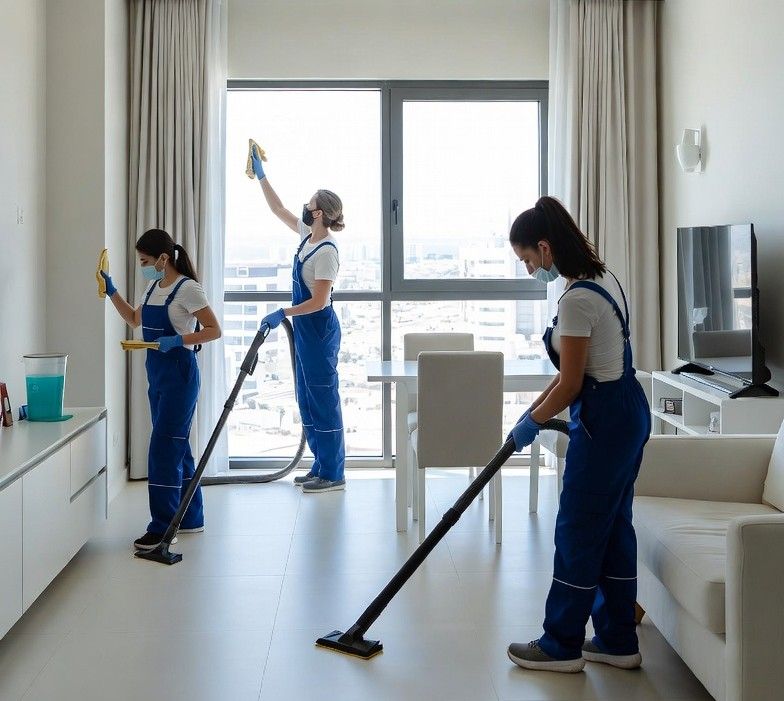
The rise of professional cleaning companies in Jeddah (شركة تنظيف بجدة) reflects more than growing awareness about hygiene and sanitation. It also highlights the increasing importance of the cleaning industry within the broader business and employment landscape. From residential cleaning to large-scale water tank sanitation and commercial maintenance, cleaning services have become essential to the operation of modern urban life.
As businesses, institutions, and residential communities place greater emphasis on cleanliness, workplace safety, and public health, cleaning companies are evolving into structured service organizations that contribute significantly to economic growth and job creation.
The Expanding Demand for Professional Cleaning Services
In rapidly developing urban environments like Jeddah, sanitation services are now considered critical infrastructure. Offices, restaurants, hospitals, schools, hotels, and apartment complexes all depend on regular maintenance to meet operational and hygiene standards. This growing demand has expanded the role of cleaning companies beyond simple janitorial work. The truth is, there are plenty of cleaning companies that offer specialization in:
- Water tank sanitation
- Deep cleaning services
- Commercial facility maintenance
- Disinfection and sterilization
- Industrial cleaning operations
- Post-construction cleanup
As awareness of health and environmental safety increases, businesses are investing more heavily in professional sanitation to protect employees, customers, and residents.
The result is a rapidly growing service sector that supports both public health and commercial productivity.
Cleaning Companies are Creating New Jobs
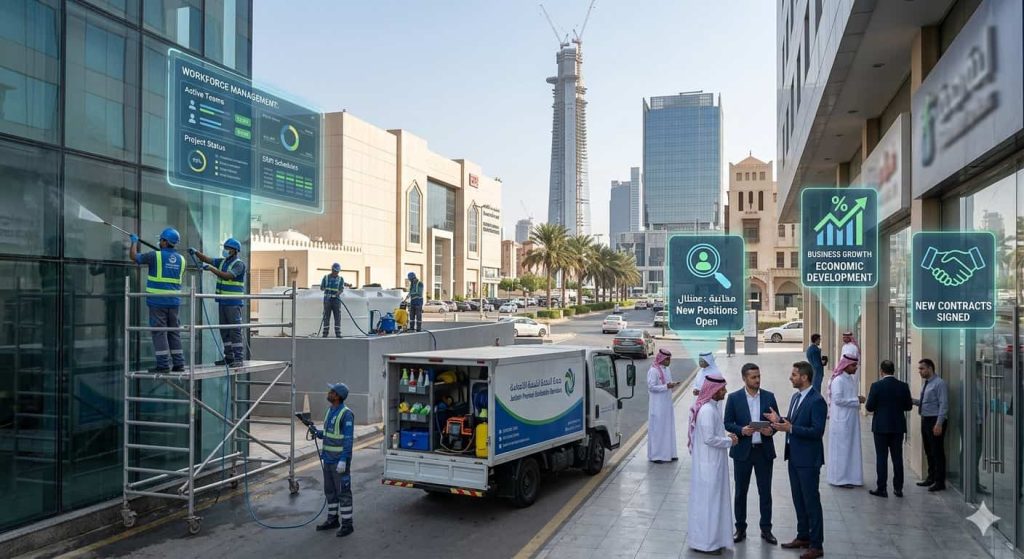
One of the most important economic contributions of the cleaning industry is employment generation. Professional cleaning companies create opportunities across multiple skill levels and operational areas. In these times, businesses operating in the cleaning industries are looking for skilled professionals such as:
- Cleaning technicians
- Water tank sanitation specialists
- Drivers and logistics staff
- Customer service representatives
- Scheduling coordinators
- Supervisors and inspectors
- Sales and marketing personnel
- Facility management professionals
This diversity of roles allows the industry to provide employment opportunities for both entry-level workers and experienced professionals.
As companies expand, the need for workforce training also increases. Employees often receive instruction in safety procedures, chemical handling, equipment operation, and sanitation standards. This professionalization helps elevate cleaning from informal labor into a structured career path within the service economy.
Technology is Modernizing the Cleaning Industry
Today’s cleaning companies in Jeddah are increasingly driven by technology and digital management systems. What was once a manually coordinated industry is now supported by advanced operational tools designed to improve efficiency and customer experience. In fact, if you would notice, more and more companies today are using digital booking platforms, workforce scheduling software, GPS-enabled logistics systems, customer relationship management (CRM) tools, mobile communication applications, automated invoicing systems and several tools to improve operational efficiency.
These technologies help businesses manage larger service areas, coordinate field teams more effectively, and respond to customer requests faster.
Digital transformation also creates additional employment opportunities in administration, technical support, software operations, and customer management, further expanding the industry’s economic impact.
Supporting Business Development across Industries
Professional cleaning companies also play a direct role in supporting other businesses. Clean and well-maintained environments improve customer perception, workplace productivity, and compliance with safety regulations. For example, restaurants rely on sanitation to maintain food safety standards, hotels depend on cleanliness to protect brand reputation, healthcare facilities require strict disinfection protocols, office buildings need hygienic environments for employee well-being.
Without reliable cleaning infrastructure, many businesses would struggle to maintain operational standards or meet regulatory requirements.
In this way, cleaning services function as a foundational support system for the wider economy. They help other industries operate more efficiently while contributing to healthier and more attractive urban environments.
The Future of Cleaning as an Economic Sector
As cities continue growing and hygiene expectations rise, the cleaning industry is expected to become even more important. Demand for specialized sanitation services, environmentally friendly cleaning methods, and technologically advanced facility management will likely continue expanding.
In Jeddah, this growth aligns with broader economic modernization efforts focused on service industries, workforce development, and urban infrastructure improvement. The future of cleaning companies may involve:
- Smart sanitation systems
- Eco-friendly disinfection methods
- AI-assisted scheduling platforms
- Real-time workforce tracking
- Data-driven facility maintenance
These advancements could further professionalize the industry while creating new technical and managerial career opportunities.
A Clean Sweep for the Industry
The growth of cleaning companies in Jeddah represents far more than increased demand for sanitation. It reflects the emergence of a modern service industry that contributes to economic development, business operations, and employment creation.
By combining skilled labor, digital technology, and essential hygiene services, professional cleaning companies now play a critical role in supporting healthier communities and more efficient workplaces. As urban environments continue evolving, sanitation businesses are becoming not just service providers, but key contributors to sustainable economic growth in an increasingly service-driven economy.