

Monthly Archives: July 2026

Monthly Archives: July 2026

How Backyard Landscaping in Sydney Creates Jobs, Supports Businesses, and Adds Property Value

A well-designed backyard offers more than an attractive place to relax. It also supports local businesses, creates employment opportunities, and increases the value of residential properties. As more homeowners invest in outdoor living spaces, the demand for backyard landscaping Sydney continues to grow. This demand benefits not only property owners but also the many skilled professionals who help bring these projects to life.

Backyard landscaping involves much more than planting trees or laying turf. Every project requires planning, design, construction, and ongoing maintenance. Landscapers, gardeners, irrigation specialists, deck builders, fencing contractors, electricians, plumbers, and material suppliers all contribute to creating functional outdoor spaces. Together, these industries form an important part of Sydney’s economy while helping homeowners enjoy better outdoor living.

The popularity of outdoor entertaining, remote work, and family-focused backyards has encouraged many people to improve their properties rather than relocate. As a result, landscaping has become one of the most valuable home improvement investments. Beautiful outdoor spaces not only improve daily life but also support employment across a wide range of skilled trades.

Backyard Landscaping Supports Local Employment and Business Growth

Every landscaping project begins with professional planning. Landscape designers work closely with homeowners to understand how the space will be used before developing practical layouts that balance beauty and functionality. Their ideas are then brought to life by skilled trades who specialise in different stages of construction.

Excavation teams prepare the site for new features. Carpenters build decks and pergolas. Fencing contractors install secure boundaries. Electricians fit outdoor lighting, while plumbers connect irrigation systems and water features. Garden specialists complete the final planting, creating landscapes that continue to grow and improve over time.

This collaboration creates employment opportunities across numerous industries. Small businesses benefit from regular work, apprentices gain practical experience, and suppliers provide everything from plants and paving materials to timber, stone, and outdoor furniture. Every completed backyard project supports a network of local companies that contribute to Sydney’s economy.

Demand for backyard landscaping has also encouraged innovation within the industry. Businesses now offer environmentally friendly materials, water-efficient irrigation systems, recycled products, native planting designs, and low-maintenance landscaping solutions that appeal to modern homeowners. These services create additional opportunities for businesses that specialise in sustainable construction and garden design.

Real estate professionals regularly highlight quality landscaping as an important selling feature. Buyers often view attractive outdoor spaces as extensions of the home, especially when they include entertaining areas, gardens, and practical storage solutions. Properties with professionally landscaped backyards frequently attract stronger buyer interest because they require fewer immediate improvements after purchase.

For homeowners, investing in landscaping is not simply about appearance. It is also about creating an outdoor environment that increases the enjoyment of the property while strengthening its long-term market appeal. This combination of personal satisfaction and financial benefit continues to drive demand for professional landscaping services throughout Sydney.

Why Professional Backyard Landscaping Delivers Long-Term Benefits

Successful landscaping requires careful planning rather than quick cosmetic improvements. Experienced professionals evaluate soil conditions, drainage, sunlight, existing vegetation, and property layout before recommending suitable designs. This preparation helps ensure every feature performs well while remaining practical to maintain.

Material selection plays an equally important role. Durable paving, quality timber, native plants, and weather-resistant outdoor structures reduce maintenance while providing long-lasting value. Choosing appropriate materials for Sydney’s climate helps homeowners avoid unnecessary repairs and replacement costs.

Professional landscapers also understand how different outdoor features work together. Decking, retaining walls, fencing, lawns, pathways, lighting, and planting schemes should complement one another instead of competing for attention. A balanced design creates a backyard that feels organised, spacious, and welcoming throughout every season.

Maintenance planning is another advantage of working with experienced landscapers. They recommend plants suited to local conditions, establish efficient irrigation systems, and provide guidance on routine care that keeps gardens healthy with minimal effort. Proper planning reduces long-term maintenance costs while preserving the beauty of the landscape.

Safety should never be overlooked. Professionally designed backyards include stable pathways, effective drainage, secure retaining walls, and appropriate lighting that improve accessibility for family members and visitors. These practical improvements make outdoor spaces safer while enhancing everyday comfort.

The future of backyard landscaping in Sydney continues to evolve as homeowners seek flexible outdoor spaces that support entertaining, relaxation, gardening, and remote work. Landscapers are responding with creative designs that combine sustainability, functionality, and modern aestheticswithout sacrificing practicality.

Choosing professional backyard landscaping in Sydney is an investment that benefits homeowners, skilled workers, and local businesses alike. Every completed project creates employment, supports Australian suppliers, and improves residential communities through thoughtful outdoor design. At the same time, homeowners gain beautiful spaces that increase property value while enhancing everyday life.

As outdoor living becomes an increasingly important part of modern homes, landscaping will continue to play a vital role in shaping Sydney’s residential neighbourhoods. Quality workmanship, sustainable design, and skilled collaboration ensure these outdoor spaces remain valuable assets for many years while supporting ongoing business growth and employment across the landscaping industry.

Read More

Why Local Rental Services Continue to Play an Important Role in Supporting Music Education

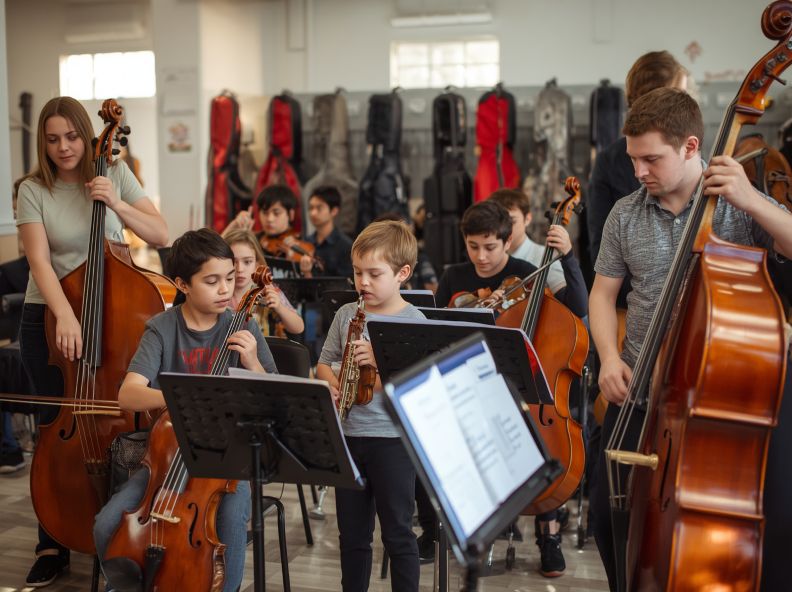
bright music classroom

Access to musical instruments remains a key factor in whether students can participate in school music programs. Data from the National Association for Music Education shows that affordability and availability of instruments directly influence enrollment in band and orchestra programs. For many families, especially those with growing children, renting instruments locally offers a practical and flexible alternative to purchasing.

Many specialty retailers organize their services geographically, allowing customers to shop by city and find nearby support more easily. This localized approach helps families, educators, and students connect with providers who understand regional school requirements, instrument standards, and scheduling needs. It also simplifies maintenance, returns, and upgrades, which are common throughout a student’s learning journey.

The Value of Local Access in Music Education

Convenience plays a significant role in sustaining student participation. Research from the Arts Education Partnership highlights that proximity to resources, including instrument providers, increases the likelihood that students remain engaged in music programs. Local rental services reduce logistical barriers such as long shipping times or complicated returns.

Parents often need quick access to repairs or replacements, especially during the school year. A nearby provider can address issues faster than centralized or online-only businesses. This responsiveness supports continuity in practice and performance, which is essential for skill development.

Affordability and Flexibility for Families

Musical instruments can represent a significant financial investment. Reports from the National Endowment for the Arts indicate that cost remains one of the most common reasons families hesitate to enroll children in arts programs. Rental services provide a lower entry point, allowing students to explore music without a large upfront expense.

Flexible rental agreements also accommodate changing needs. Young students may outgrow smaller instruments, while others may switch from one instrument to another as their interests evolve. Local providers often offer upgrade options or exchange programs, helping families adapt without restarting the process entirely.

Supporting Schools and Educators

Music teachers and school programs benefit from strong relationships with local rental businesses. According to findings from the National Center for Education Statistics, schools with access to community partnerships tend to offer more consistent arts programming. Local providers often collaborate with educators to ensure instruments meet specific classroom standards.

These partnerships can include:

  • Coordinated delivery schedules aligned with school calendars
  • Instrument sizing assistance for beginners
  • Maintenance support during peak performance seasons
  • Educational workshops or demonstrations

Such collaboration reduces administrative burden for teachers and helps maintain program quality.

Regional Knowledge and Customer Support

Localized business models allow rental providers to develop a deeper understanding of their communities. Experts from Harvard Business Review note that businesses with strong local knowledge are better equipped to meet customer expectations and respond to specific needs. In music education, this can translate into tailored recommendations for instruments that align with regional curricula or performance traditions.

Customer support also tends to be more personalized. Families can speak directly with staff who are familiar with local schools and requirements. This level of service can make the rental process less intimidating, especially for first-time participants.

Encouraging Long-Term Engagement in Music

Early exposure to music has lasting benefits. Studies published by the American Psychological Association suggest that music education supports cognitive development, discipline, and emotional well-being. However, sustained participation often depends on continued access to instruments and support systems.

Local rental services help create a stable foundation for ongoing learning. By removing barriers related to cost, access, and maintenance, they make it easier for students to stay involved over time. This continuity is critical for developing skills and confidence.

Adapting to Modern Consumer Expectations

While digital platforms have expanded access to products, many families still value in-person services for specialized needs. Research from the Pew Research Center shows that consumers often prefer hybrid experiences that combine online convenience with local support. Rental businesses have adapted by offering online browsing alongside physical service locations. Similar trends can also be seen in other regional industries, where career paths in specialized local service industries illustrate how businesses rely on local expertise, customer relationships, and community knowledge to deliver high-quality experiences.

Geographic organization of services reflects this shift. Customers can explore options online while still benefiting from nearby assistance when needed. This balance supports both convenience and reliability, which are essential in education-related services.

Community Engagement and Cultural Impact

Local music rental businesses often play a broader role within their communities. Reports from UNESCO emphasize the importance of community-based cultural support in preserving and promoting the arts. Rental providers may sponsor school events, support youth orchestras, or participate in local festivals.

These contributions extend beyond transactions. They help build a culture that values music education and encourages participation across different age groups and backgrounds.

Looking Ahead: The Continued Relevance of Local Models

Urban and regional growth continues to shape how services are delivered. Data from the World Bank indicates that urban populations are expanding, increasing demand for accessible community-based services. Local rental providers are positioned to meet this demand by maintaining close connections with schools and families.

As music education evolves, the need for reliable, flexible, and accessible support systems remains constant. Local rental services continue to fill this role by combining practical solutions with community engagement. Their ability to adapt to changing needs while maintaining strong local ties ensures they remain an important part of the educational landscape.

Future developments may include expanded digital tools, improved logistics, and enhanced collaboration with educational institutions. Even with these changes, the core value of localized service, personalized support, and community connection is likely to remain central to their success.

Music education depends on more than curriculum and instruction. Access, affordability, and support all shape whether students can participate and grow. Local rental services continue to bridge these gaps, helping ensure that opportunities to learn music remain within reach for a wide range of families.

Read More

  • 𐌢