
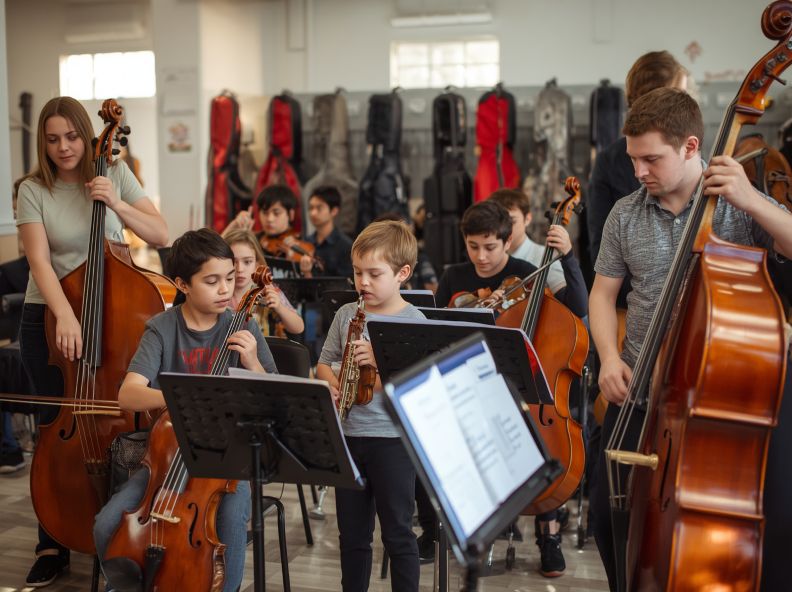
Access to musical instruments remains a key factor in whether students can participate in school music programs. Data from the National Association for Music Education shows that affordability and availability of instruments directly influence enrollment in band and orchestra programs. For many families, especially those with growing children, renting instruments locally offers a practical and flexible alternative to purchasing.
Many specialty retailers organize their services geographically, allowing customers to shop by city and find nearby support more easily. This localized approach helps families, educators, and students connect with providers who understand regional school requirements, instrument standards, and scheduling needs. It also simplifies maintenance, returns, and upgrades, which are common throughout a student’s learning journey.
The Value of Local Access in Music Education
Convenience plays a significant role in sustaining student participation. Research from the Arts Education Partnership highlights that proximity to resources, including instrument providers, increases the likelihood that students remain engaged in music programs. Local rental services reduce logistical barriers such as long shipping times or complicated returns.
Parents often need quick access to repairs or replacements, especially during the school year. A nearby provider can address issues faster than centralized or online-only businesses. This responsiveness supports continuity in practice and performance, which is essential for skill development.
Affordability and Flexibility for Families
Musical instruments can represent a significant financial investment. Reports from the National Endowment for the Arts indicate that cost remains one of the most common reasons families hesitate to enroll children in arts programs. Rental services provide a lower entry point, allowing students to explore music without a large upfront expense.
Flexible rental agreements also accommodate changing needs. Young students may outgrow smaller instruments, while others may switch from one instrument to another as their interests evolve. Local providers often offer upgrade options or exchange programs, helping families adapt without restarting the process entirely.
Supporting Schools and Educators
Music teachers and school programs benefit from strong relationships with local rental businesses. According to findings from the National Center for Education Statistics, schools with access to community partnerships tend to offer more consistent arts programming. Local providers often collaborate with educators to ensure instruments meet specific classroom standards.
These partnerships can include:
- Coordinated delivery schedules aligned with school calendars
- Instrument sizing assistance for beginners
- Maintenance support during peak performance seasons
- Educational workshops or demonstrations
Such collaboration reduces administrative burden for teachers and helps maintain program quality.
Regional Knowledge and Customer Support
Localized business models allow rental providers to develop a deeper understanding of their communities. Experts from Harvard Business Review note that businesses with strong local knowledge are better equipped to meet customer expectations and respond to specific needs. In music education, this can translate into tailored recommendations for instruments that align with regional curricula or performance traditions.
Customer support also tends to be more personalized. Families can speak directly with staff who are familiar with local schools and requirements. This level of service can make the rental process less intimidating, especially for first-time participants.
Encouraging Long-Term Engagement in Music
Early exposure to music has lasting benefits. Studies published by the American Psychological Association suggest that music education supports cognitive development, discipline, and emotional well-being. However, sustained participation often depends on continued access to instruments and support systems.
Local rental services help create a stable foundation for ongoing learning. By removing barriers related to cost, access, and maintenance, they make it easier for students to stay involved over time. This continuity is critical for developing skills and confidence.
Adapting to Modern Consumer Expectations
While digital platforms have expanded access to products, many families still value in-person services for specialized needs. Research from the Pew Research Center shows that consumers often prefer hybrid experiences that combine online convenience with local support. Rental businesses have adapted by offering online browsing alongside physical service locations. Similar trends can also be seen in other regional industries, where career paths in specialized local service industries illustrate how businesses rely on local expertise, customer relationships, and community knowledge to deliver high-quality experiences.
Geographic organization of services reflects this shift. Customers can explore options online while still benefiting from nearby assistance when needed. This balance supports both convenience and reliability, which are essential in education-related services.
Community Engagement and Cultural Impact
Local music rental businesses often play a broader role within their communities. Reports from UNESCO emphasize the importance of community-based cultural support in preserving and promoting the arts. Rental providers may sponsor school events, support youth orchestras, or participate in local festivals.
These contributions extend beyond transactions. They help build a culture that values music education and encourages participation across different age groups and backgrounds.
Looking Ahead: The Continued Relevance of Local Models
Urban and regional growth continues to shape how services are delivered. Data from the World Bank indicates that urban populations are expanding, increasing demand for accessible community-based services. Local rental providers are positioned to meet this demand by maintaining close connections with schools and families.
As music education evolves, the need for reliable, flexible, and accessible support systems remains constant. Local rental services continue to fill this role by combining practical solutions with community engagement. Their ability to adapt to changing needs while maintaining strong local ties ensures they remain an important part of the educational landscape.
Future developments may include expanded digital tools, improved logistics, and enhanced collaboration with educational institutions. Even with these changes, the core value of localized service, personalized support, and community connection is likely to remain central to their success.
Music education depends on more than curriculum and instruction. Access, affordability, and support all shape whether students can participate and grow. Local rental services continue to bridge these gaps, helping ensure that opportunities to learn music remain within reach for a wide range of families.